|
The gesture
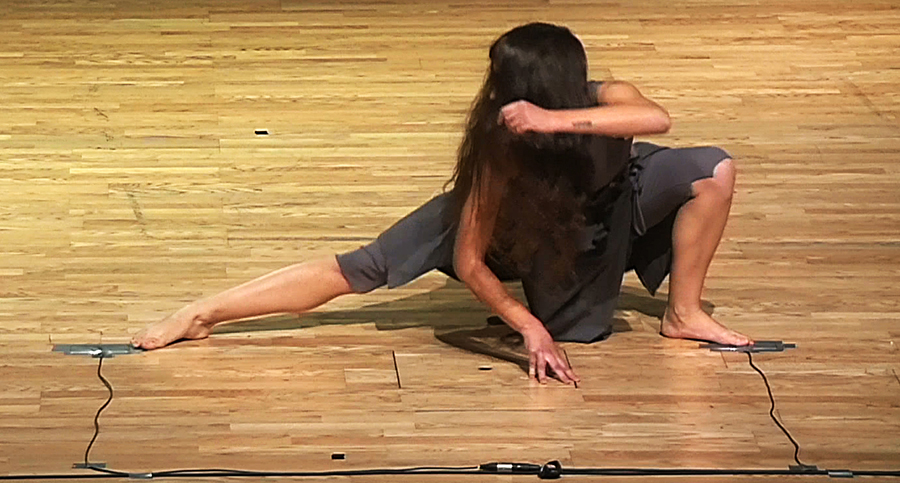
Generate music with the gesture. The electric era, paraphrasing McLuhan, and the digital transition in more recent times, has also definitively marked an extraordinary transformation in the morphology of musical instruments. The musical instrument itself has remained largely intact for the past two centuries, until the introduction of electronics in modern lutheria. Although the first example probably dates back to the Clavecin Électronique of 1759, with special attention at the beginning of the 20th century to the Futuristic and scientific hello that has flooded art, in Spain it is enough to think of the extraordinary and innovative inventions of Juan García Castillejo (https://weekendproms.org/ediciones) or the idealized futuristic musical instruments in the literature of José de Elola y Gutierrez (https://weekendproms.org/ediciones ), it is with the second half of the 20th century that this instrument not only lives a hyperbolic evolution, but also sees the birth of a true language musical characteristic of the electronic. From large oscillators like a refrigerator to the miniaturized electronics of microprocessors, in parallel with a computer music where the computer passes from the valve to the thyristor, to the transistor, to the integrated circuit and finally to the microchip, the body of the instrument has vanished "from the hands that touch it to materialize in the form of an abstract futuristic technological device, definitively consecrating the autarky of the computer "( https://www.wazogate.com/hibrido-primera-parte-perder-el-cuerpo/). |